Best Free Directories for SEO: Overview
If you're a startup founder, growth marketer, or product manager planning a launch, this resource is designed to save you time and focus your efforts on submissions that actually move the needle. We go beyond generic lists by providing actionable data for each directory.
You'll find key metrics like Domain Rating (DR) and estimated monthly traffic, alongside the specific type of backlink offered (e.g., Nofollow, Dofollow). This allows you to strategically prioritize platforms that align with your SEO goals. Each entry includes direct submission links and practical tips to streamline your workflow, ensuring you can quickly and effectively list your business.
This resource is structured for efficiency, whether you're submitting to niche tech directories like Product Hunt and G2 or broader business listings. We've done the research so you can focus on execution. Let's dive into the directories that will help you secure valuable backlinks and increase your online visibility.
1. Product Hunt, BetaList, & Other Launchpads
For tech startups, SaaS companies, and digital product creators, launch-focused directories are the most powerful platforms for gaining initial visibility, traffic, and high-quality backlinks. Sites like Product Hunt, BetaList, and emerging platforms like Shipybara.com are not just listings; they are communities of early adopters actively looking for new tools. A successful launch here can generate significant buzz and valuable referral traffic.
These directories are essential for product discovery. They often provide strong "nofollow" backlinks initially, but the real SEO value comes from the secondary effects: press coverage, user reviews, and natural "dofollow" links from blogs and other sites that discover your product through the platform.
BrightLocal – Top Free USA Business Directories
Why They're a Top Resource: These platforms excel because they attract a highly engaged, tech-savvy audience. They are less about passive listings and more about creating a launch event. Success on Product Hunt, for instance, can lead to being featured in major tech publications.
Pros: Access to a targeted audience of early adopters, high potential for viral traffic, and generates valuable social proof.
Cons: Highly competitive space requiring a well-planned launch strategy, and the primary link is often nofollow.
Pro-Tip: Don't just submit and forget. Prepare your launch days in advance, engage with the community in the comments, and promote your listing on social media to build momentum.
2. G2, Capterra, & Software Review Sites
For established SaaS products and software companies, review-centric directories like G2, Capterra, and SaaSHub are non-negotiable. These platforms function as the modern-day word-of-mouth for B2B software, carrying immense weight with potential customers. A listing here is a powerful trust signal and a source of high-quality, relevant backlinks. While some features are paid, creating a basic free profile is almost always an option and is crucial for brand presence.
These sites are highly trusted by Google and often rank at the top of the search results for "[your competitor] vs [your product]" or "[software category] tools" queries. Having a well-populated profile with positive reviews is one of the best ways to capture high-intent search traffic.
Whitespark – Local Citation Finder
Why They're a Top Resource: These directories are authorities in the software space. A link from G2 or Capterra is a powerful signal to search engines that your product is a legitimate player in its industry. They are a core component for finding the best free directories for SEO in the SaaS world.
Pros: High domain authority and trust, captures high-intent traffic, and positive reviews serve as powerful social proof. You can also explore Whitespark's top dofollow directories for powerful SEO backlinks.
Cons: Building a substantial number of reviews takes time and a dedicated effort to encourage users to participate.
Pro-Tip: Actively solicit reviews from your happiest customers. A profile with 10+ recent, positive reviews will stand out and drive more qualified leads than an empty one.
3. Niche & Curated Tech Directories
Beyond the major launch platforms, a landscape of niche directories exists to serve specific tech audiences. Platforms like Uneed, Toolfio, and other curated lists focus on specific categories like AI tools, marketing software, or developer utilities. Submitting to these directories is an excellent strategy for building highly relevant backlinks and reaching a targeted user base.
These platforms are often run by enthusiasts or industry experts, and a listing can be seen as a stamp of approval. While they may not have the massive traffic of Product Hunt, the audience is often more focused, leading to higher conversion rates. This makes them a vital part of a well-rounded strategy for finding the best free directories for SEO.
Why They're a Top Resource
These directories provide topical relevance, which is a powerful SEO signal. A backlink from a directory dedicated to "AI Marketing Tools" is incredibly valuable if you are, in fact, an AI marketing tool. They help Google understand what your product is about.
Pros: Highly relevant backlinks, access to a niche audience, and often easier to get listed on than major platforms.
Cons: Lower overall traffic compared to major directories, and the impact of a single link may be smaller.
Pro-Tip: Search for "[your niche] directories" or "best [your product category] tools list" to find these curated platforms. Getting featured on several of them builds a strong foundation of topical authority.
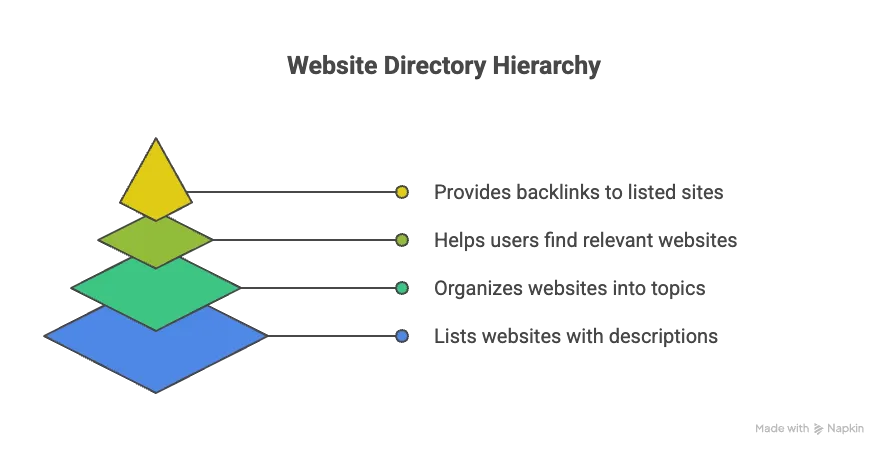
Free directories for SEO help you earn quality backlinks and boost your Domain Rating by getting listed on high-authority platforms without paying submission fees.
4. HubSpot – 60 Best Online Local Business Directories
While tech-specific directories like Product Hunt or SaaSHub are crucial for software, foundational business directories remain important for establishing overall brand authority. HubSpot's list offers a broad, accessible entry point. It serves as a practical roundup of well-known directories, making it an excellent starting point for any business, including tech companies, to build out their online footprint. The guide uses plain-English descriptions and clear examples like Bing Places, Angi, and Nextdoor.
Unlike highly specialized lists, this roundup is perfect for achieving quick wins and ensuring your company's basic information is listed correctly across the web. While it may not offer the niche focus required for SaaS startups needing specialized online directories, its strength lies in its simplicity and the authority of the HubSpot brand.
HubSpot – 60 Best Online Local Business Directories
Why It's a Top Resource: HubSpot's guide stands out for its accessibility. It's designed for business owners and marketers who need a straightforward, actionable list without getting bogged down in technical SEO metrics. It helps ensure your brand has a presence beyond just the tech ecosystem.
Pros: Easy to scan and understand for non-specialists, highlights well-known platforms, and is backed by a major marketing brand.
Cons: Geared more towards general and local businesses rather than tech startups, so prioritization is key.
Pro-Tip: Use this list to secure your brand name and basic profile on major platforms. Focus on the big names like Yelp, BBB, and Yellow Pages to build foundational trust.
5. Local Visibility System – Definitive List of Local Search Citations
While a SaaS company might not have a physical storefront, having a consistent business address and phone number listed online is still a trust signal for Google. This "meta-directory" from Local Visibility System provides a massive, alphabetized list of citation sources. For startups and tech companies, this resource is useful for finding general business directories to round out a backlink profile beyond tech-centric sites like G2 or BetaList.
Curated by local SEO expert David Mihm, this list is valued by practitioners because it emphasizes practical, claimable listings. It's an excellent second stop after exhausting the top-tier tech and business directories, helping you build a more diverse and robust citation profile. This makes it a key resource for finding the best free directories for SEO if you're focused on building a deep brand presence.
Why It's a Top Resource: This list stands out due to its practitioner-led curation. It reflects years of in-the-trenches SEO experience, offering a comprehensive look at the citation ecosystem beyond the obvious choices. It's perfect for adding depth to your backlink profile.
Pros: Created by a trusted SEO authority, great for finding non-obvious and general directories, and focuses on practical, claimable listings.
Cons: Heavily focused on local SEO, lacks DA/traffic metrics, requiring you to perform your own vetting.
Pro-Tip: Use this list to find 3-5 high-quality, general business directories to list your company's headquarters. This helps legitimize your business in the eyes of search engines.
Link: Local Visibility System's Definitive Local Search Citations
6. Loebig Ink – Top 50 Online Directories (Updated Jan 1, 2025)
Loebig Ink provides an incredibly practical and up-to-date resource for anyone planning a submission campaign. It offers a sortable table detailing the top 50 directories, complete with their category, Domain Authority (DA), and a clear flag indicating if a submission is free or paid. This streamlined format is perfect for quick triage, allowing you to prioritize high-DA, free opportunities without clicking through to each site individually.
For a tech company, the table's value lies in its efficiency. You can quickly filter for relevant general business or tech-adjacent categories and sort by DA to create a targeted submission plan in minutes. This makes it one of the best resources for finding free directories for SEO that fit a blended strategy.
Why It's a Top Resource: This list stands out due to its clear, actionable format and recent update date, which ensures the information is still relevant. The mix of general and specialized directories helps businesses build a balanced backlink profile that search engines value.
Pros: Freshly updated content, easy-to-sort table for quick planning, and clear visibility on free vs. paid options.
Cons: Primarily focused on general/local directories; tech startups will need to supplement this with niche platforms.
Pro-Tip: Use the "Category" column to find any relevant B2B or service-oriented directories first. A relevant, lower-DA link can sometimes be more valuable than a generic, high-DA one.
7-12. Additional Local & Citation Directory Resources
7. Omnicore Agency – 150+ U.S. Local SEO Citation Sources (2025)
Omnicore Agency provides a "meta-directory" with over 150 U.S.-focused citation sources. While tech product directories like G2 and Product Hunt are great for software, this resource is useful for digital-first businesses seeking sheer volume and breadth in their backlink efforts. It's an excellent tool for building a comprehensive master list of potential general submission targets to complement niche directories.
The list includes direct "add your business" URLs and Domain Authority (DA) metrics for each entry, allowing you to prioritize high-value targets efficiently. This makes it one of the best resources for finding free directories for SEO if your goal is to scale your outreach and discover both broad and niche-specific opportunities.
Why It's a Top Resource: This list stands out due to its impressive size, offering a massive pool of potential citations for U.S.-based companies. It's the perfect secondary resource after you've exhausted the more curated, high-authority tech directories and need to expand your brand's digital footprint further.
Pros: Extensive list provides comprehensive breadth for free citations, and it is great for building a master submission sheet.
Cons: Primarily local focus; you must manually vet each site for relevance to a non-brick-and-mortar business.
Pro-Tip: Use this list to create a master spreadsheet. Sort by DA and filter by relevance to your industry (e.g., "Business Services"). Tackle the top 10-15 most relevant sites to quickly and efficiently broaden your backlink profile.
8. BrightLocal – U.S. State and City Citation Hubs
While national and global tech directories are essential, establishing a presence in your company's home state or city can provide valuable, geographically relevant links. BrightLocal's hyperlocal citation hubs are "meta-directories" that drill down to the state and city levels, offering curated lists of directories. For a tech company, this can mean getting listed in a state's business journal directory or a major city's chamber of commerce.
Unlike generic lists, this collection is hand-picked by local SEO experts. Securing a few of these high-quality, geo-specific links can help legitimize your business and diversify your backlink profile beyond the tech bubble, making it one of the best resources for targeted, free directories for SEO.
Why It's a Top Resource: This hub excels by providing a clear pathway to building hyperlocal authority. It allows you to secure placements on directories that local search engines trust, sending signals that your business has a real-world presence, even if it's just an office headquarters.
Pros: Excellent for hyperlocal relevance, curated by experts rather than scraped, and clearly labels free vs. paid listings.
Cons: Most effective when used alongside tech-focused directories, not as a replacement.
Pro-Tip: After securing your listings on platforms like Product Hunt and G2, choose the two most relevant directories from your company's state and city lists. This combination of niche and geo-specific links creates a well-rounded profile.
9. Linkio – 580+ Directory Submission Sites
For SEO practitioners and agencies that need a massive, data-rich list to work from, Linkio's database is a powerhouse resource. It offers a filterable spreadsheet of over 580 directory submission sites, including many relevant to tech and SaaS. This makes it one of the best free directories for SEO if your goal is to build a high-volume, systematic outreach campaign tailored to specific niches or authority metrics.
The platform includes key SEO metrics like DA, DR, and estimated traffic directly in the list, allowing you to prioritize targets efficiently. You can filter by category (e.g., "Software," "Technology") or export the entire database as a CSV. Unlike highly curated lists, this one embraces quantity, providing options beyond typical tech directories like Product Hunt or G2, though it includes them as well.
Why It's a Top Resource: Linkio stands out by providing a raw, comprehensive dataset perfect for advanced users who want to build their own curated submission strategy. Its strength lies in the sheer volume and the inclusion of actionable data points, making it a goldmine for agencies or SEOs managing multiple clients.
Pros: Data-rich shortlist is ideal for systematic outreach, includes helpful metrics for prioritization, and is great for agencies needing volume.
Cons: The list contains mixed-quality sites and requires manual vetting for relevance; some inclusions are not classic business directories.
Pro-Tip: Download the CSV and filter by categories like "Technology," "Internet," or "Software." Then sort by DR to identify high-authority targets you may have missed.
10. SERPninja – Top Local Citations (U.S.)
Similar to other resources on this list, SERPninja provides a curated list of top local citation sources. While platforms like G2 or SaaSHub are built for tech products, this resource is useful for ensuring a startup's foundational business information (Name, Address, Phone) is consistent across the web. It's a practical, no-frills starting point for building baseline authority.
The list is annotated with Domain Authority (DA) metrics, helping you prioritize high-value targets. SERPninja also offers a done-for-you service, making it a unique hybrid resource for teams who want to start the work themselves but may need to outsource later.
Why It's a Top Resource: SERPninja earns its spot by combining a useful free list with an optional paid service. This makes it a great entry point for those new to off-page SEO who want a clear path to follow for building general business citations.
Pros: Provides a quick scan of mainstream U.S. listings and offers a convenient outsourced option if needed.
Cons: The curation is not tech-focused, so you still need to verify each site's relevance and policies.
Pro-Tip: Use this list to cross-reference with other resources. If a general business directory appears on multiple high-quality lists, it should be a priority for your NAP submissions to establish a consistent brand identity.
11. Proper Marketers – Top 50 Local Business Directories (2025)
Proper Marketers provides another expertly curated list of the best free directories for SEO, with a modern twist on prioritization. Instead of just listing sites by Domain Authority, it strategically tiers them into "must-have" platforms and secondary options. For a tech company, this means identifying the foundational directories like Google Business Profile and Yelp that are important for any business entity.
The guide offers a clear, actionable roadmap, helping distinguish between foundational listings and those that are merely nice to have. By focusing on a tiered system, it helps you allocate resources efficiently, ensuring your most critical business information is consistent across high-impact general directories first, before diving deeper into niche tech platforms.
Why It's a Top Resource: This resource stands out for its practical, impact-focused prioritization. It's a perfect modern supplement to more traditional, DA-sorted lists, reflecting the current SEO landscape where a few core platforms drive the majority of general visibility.
Pros: Freshly updated for 2025, tiered structure helps prioritize efforts, and separates essential listings from supplementary ones.
Cons: Primarily local focus; tech companies should use it for foundational listings only.
Pro-Tip: Focus exclusively on completing every profile in "Tier 1" before moving on. A complete and consistent presence on these core platforms is more valuable than a scattered presence across dozens of lower-tier sites.
12. CitationBuilderPro – City‑Targeted U.S. Citation Lists
While many of the best free directories for SEO focus on broad national or global reach, CitationBuilderPro drills down to the hyperlocal level. For a tech company, this is less about foot traffic and more about securing high-authority, geo-relevant backlinks from sources like local business journals or city-based tech incubators that may have their own directories.
This approach is especially useful for startups wanting to establish a strong presence in their home city (e.g., a "Made in NYC" or "Austin Tech" type of affiliation). Each list includes Domain Authority (DA) metrics and clear tags for Free, Paid, or Hybrid listings, allowing you to prioritize your outreach efficiently.
Why It's a Top Resource: CitationBuilderPro excels by moving beyond generic directories to uncover geo-specific opportunities that search engines value for local relevance. Finding these niche, high-relevance links manually would be incredibly time-consuming, making their curated lists a significant shortcut.
Pros: Targets high-value local publications and directories and is ideal for building a strong local brand presence.
Cons: City coverage varies by post, and some entries, particularly in media directories, may require paid placements to secure a listing.
Pro-Tip: Use these lists to supplement your tech-focused submissions. Securing even a few of these hyperlocal links can give you a competitive edge and add a layer of authenticity to your brand.
Link: CitationBuilderPro's Top Citation Sources (Buffalo Example)
Top 12 Free SEO Directory Resources Comparison
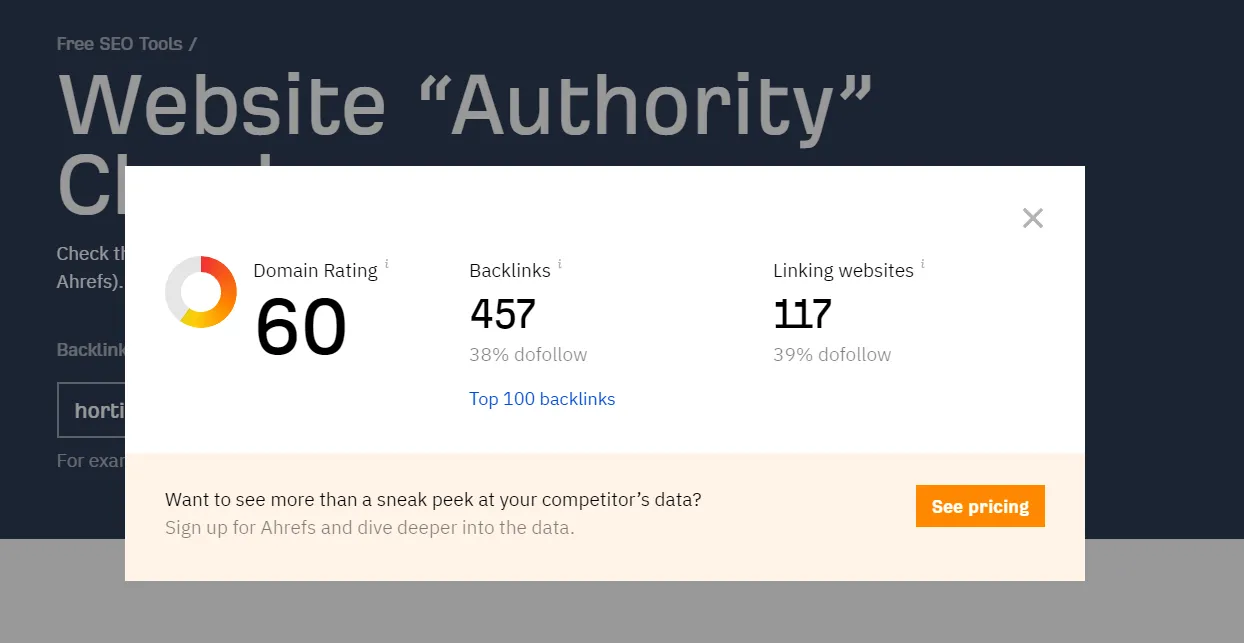
Track your Domain Rating progress to measure the impact of your free directory listings and backlink building efforts.
Need Help Increasing Your Domain Rating?
Our team specializes in securing high-quality backlinks from DR 60–90 domains that deliver fast, sustainable DR improvements. We handle the entire process: research, outreach, content creation, and relationship building. When we confirm your DR boost via Ahrefs, you get a complete backlink report and ongoing monitoring.
From List to Action: Your Next Steps
The true value of this information lies in its application. Don't just bookmark this article; integrate these findings into your launch or ongoing marketing strategy. Here's how to translate this knowledge into tangible results:
Audit Your Existing Presence
Before adding new listings, establish a baseline. Search for your brand on key directories. Your primary goal is to ensure your company name, website, and description are 100% consistent across all existing listings. Inconsistencies can confuse both users and search engines.
Segment and Prioritize
Not all directories are created equal for a tech product. Divide your target list into tiers.
- Tier 1 (High Priority): These are the high-authority, high-traffic industry leaders like G2 or Capterra for SaaS, or launchpads like Product Hunt for a new product. Dedicate time to creating rich, complete profiles here.
- Tier 2 (Niche-Specific): Include platforms like BetaList, SaaSHub, Uneed, or Toolfio that cater directly to your target audience (e.g., early adopters, tech enthusiasts). A launch on these platforms can generate immediate traffic and valuable backlinks.
- Tier 3 (General/Foundational): This tier includes broader business directories (Yelp, BBB) and geo-specific lists that round out your backlink profile and solidify your brand's legitimacy.
Create a Submission Kit
To streamline the process, prepare a "kit" with all necessary information. This should include multiple versions of your business description (short, medium, long), a high-resolution logo, screenshots or product images, official contact details, and a link to your press kit.
Choosing the Right Directories for Your Goals
Your selection of the best free directories for SEO will ultimately depend on your business model. A local coffee shop will gain immense value from the hyper-local lists, while a new SaaS tool will find its initial user base on platforms like Product Hunt, Shipybara.com, or Toolfio. The most effective strategy is a blended one: establish a broad foundation with general and review directories like G2, then execute targeted campaigns on niche launch platforms that align with your product roadmap or growth objectives.
Directory submission is a foundational piece of a larger SEO puzzle. It's not a magic bullet, but a steady, reliable method for building authority, generating referral traffic, and cementing your digital presence. By using the resources in this guide thoughtfully, you can build a powerful and diverse backlink profile that supports your long-term growth.
Best Free Directories for SEO FAQ
What are the best free directories for SEO?
The best free directories for SEO include high-DR platforms like Product Hunt (DR 91), G2 (DR 91), Capterra (DR 90), BetaList, and niche directories like There's An AI For That. Focus on directories with DR 70+ that provide dofollow links and are relevant to your product or business. Quality matters more than quantity—10 high-DR directory listings are better than 100 low-DR listings.
Do free directory listings help Domain Rating?
Yes, free directory listings can significantly help Domain Rating when you get listed on high-DR directories (DR 70+) that provide dofollow links. However, low-DR directories (DR 20 or below) have minimal impact. Focus on quality free directories that are relevant to your industry and have strong domain authority. One link from a DR 90 directory is more valuable than 20 links from DR 20 directories.
How many free directories should I submit to?
Focus on quality over quantity. Aim for 15-25 high-DR free directory listings (DR 70+) rather than submitting to hundreds of low-quality directories. Prioritize directories that are relevant to your product category, provide dofollow links, and have strong domain authority. Start with Product Hunt, G2, Capterra, and BetaList, then expand to niche-specific directories.
Are free directory listings worth the time?
Free directory listings are worth it if the directory has high Domain Rating (DR 70+) and provides dofollow links. High-DR free directories like Product Hunt, G2, and Capterra can significantly boost your Domain Rating and drive qualified traffic. However, avoid low-DR directories (DR 30 or below) as they offer minimal SEO value and can waste your time.
What information do I need for free directory submissions?
For free directory submissions, you typically need: product/business name, website URL, tagline (50-100 characters), description (100-300 words), logo (200x200px or larger), screenshots or demo video, category/tags, and contact information. Some directories also ask for pricing information, founder details, or customer testimonials. Prepare these materials in advance to speed up submissions.
How long does it take to get listed in free directories?
Free directory approval times vary significantly. Product Hunt requires same-day launch coordination. G2 and Capterra typically take 1-2 weeks for review. BetaList can take 2-4 weeks. AlternativeTo and other directories may approve within days. Start with high-priority directories first, then work through your list systematically. Track your submissions to ensure you complete your listings.