Best Link Building Strategies: Overview
Yet, not all links are created equal, and navigating the complex world of off-page SEO requires a strategic, multifaceted approach that moves beyond outdated tactics. Pursuing the best link building strategies is no longer a "nice-to-have"; it's a fundamental pillar for sustainable growth and online visibility.
We are not just listing methods; we are providing a blueprint for execution. You will learn how to reverse-engineer competitor successes, transform unlinked brand mentions into valuable equity, and master the art of digital PR to land links from authoritative publications. We'll explore a curated mix of foundational, innovative, and resource-efficient strategies that work in synergy to build a powerful backlink profile.
Whether you're a startup founder aiming for an explosive launch, a growth marketer scaling your efforts, or a seasoned SEO specialist refining your approach, this article is for you. Each strategy is broken down into actionable steps, practical examples, and expert tips to help you build a powerful backlink profile. This isn't just about boosting rankings; it's about establishing your brand as a trusted industry leader.
1. Skyscraper Technique
The Skyscraper Technique, popularized by Brian Dean of Backlinko, is a strategic approach to earning high-quality backlinks. It involves finding top-ranking content with a strong backlink profile, creating something significantly better, and then asking those linking to the original piece to link to your superior version instead. This method is one of the best link building strategies because it leverages a proven topic's success, ensuring your content creation efforts are aimed at a subject already known to attract links.
The core principle is simple: identify a "skyscraper" (a popular piece of content) and build a taller one. By improving upon existing content in depth, design, and freshness, you create a compelling reason for site owners to update their links.
How to Implement the Skyscraper Technique
Executing this strategy involves three primary steps:
- Find Link-Worthy Content: Use SEO tools like Ahrefs or SEMrush to discover content in your niche that has generated a high volume of backlinks. Look for articles that are ranking well but may be outdated, less comprehensive, or poorly designed.
- Create Something Better: Your goal is to make the original content obsolete. You can achieve this by:
- Making it longer and more in-depth: Add more detail, cover subtopics the original missed, or include a detailed FAQ section.
- Updating it with fresh information: Replace old statistics, include recent trends, and update examples.
- Improving the design and user experience: Incorporate high-quality visuals like infographics, videos, and custom graphics.
- Conduct Strategic Outreach: Identify every website linking to the original article. Reach out with a personalized email that introduces your superior content and politely suggests it as a more valuable resource for their audience.
Pro Tip: Your outreach success depends on personalization. Mention a specific point in their article where your link would add value. Generic, mass-emailed templates rarely work. A personalized pitch shows you've done your research and genuinely believe your content is a better fit.
2. Guest Posting
Guest posting, also known as guest blogging, is the practice of writing and publishing an article on another company's website. In exchange for providing valuable, relevant content, the author typically receives a backlink to their own site, often within the article body or in an author bio. This is one of the best link building strategies because it accomplishes multiple goals at once: it secures a high-quality backlink, establishes your brand as a thought leader, and exposes your name to a new, relevant audience.
The core principle is a value exchange. You provide an authoritative, well-researched article that a publisher's audience will appreciate, and in return, you earn a link that boosts your site's SEO authority and drives referral traffic. Buffer famously used this tactic to acquire their first 100,000 customers, proving its power beyond just link acquisition.
How to Implement Guest Posting
Executing this strategy effectively requires a systematic approach to finding opportunities, pitching, and content creation:
- Find Target Publications: Use Google search operators like "your niche" + "write for us" or "your topic" + "guest post" to find sites accepting contributions. Prioritize websites with a strong domain authority (DA 30+), an engaged audience, and relevance to your industry.
- Pitch Unique, High-Value Ideas: Editors receive countless generic pitches. Stand out by proposing unique, data-backed article angles that fill a content gap on their site. Your pitch should be concise, demonstrate your expertise, and show you understand their audience. Avoid pitching topics they have already covered extensively.
- Create Exceptional Content: Once your pitch is accepted, your primary goal is to serve the host publication's audience.
- Follow guidelines meticulously: Adhere to their formatting, word count, and linking rules.
- Provide genuine value: Write your best material, not a repurposed or lower-quality article. Include actionable insights and original data if possible.
- Optimize your author bio: This is your prime real estate. Craft a compelling bio that clearly states who you are and includes a strategic link back to your website or a relevant resource.
Pro Tip: Build a relationship with an editor before you pitch. Follow them on social media, engage with their content, and offer thoughtful comments on their articles. A warm pitch to a familiar name is far more likely to get a positive response than a cold email from a stranger.
3. Broken Link Building
Broken Link Building is a highly effective and value-driven approach to acquiring high-quality backlinks. The strategy involves finding broken external links (links pointing to 404 error pages) on other websites, creating a piece of content that serves as a suitable replacement for the dead resource, and then notifying the site owner of their broken link while suggesting your content as the fix. This tactic is one of the best link building strategies because it offers immediate value to webmasters by helping them clean up their site, making them more receptive to adding your link.
The core principle is reciprocity. You are helping someone fix an issue on their website, and in return, you earn a contextually relevant backlink. It's a win-win scenario that builds relationships and improves the web for everyone.
How to Implement Broken Link Building
Executing this strategy involves three primary steps:
- Find Broken Links: Use SEO tools like Ahrefs' Site Explorer to find broken backlinks pointing to your competitors' sites or other authoritative domains in your niche. You can also use browser extensions like Check My Links to scan pages for dead links manually. Focus on resource pages, guides, and older articles, as these often contain outdated links.
- Create (or Repurpose) Replacement Content: Once you identify a broken link, analyze what the original content was about. Your goal is to create a resource that is a perfect, or even superior, replacement. This could involve:
- Updating old data: Replace a link to a 2015 study with your own content featuring current statistics.
- Recreating a dead tool: If a popular free tool is no longer available, build a similar one.
- Writing a comprehensive guide: If an outdated guide is now a 404, create a fresh, in-depth version on the same topic.
- Conduct Helpful Outreach: Reach out to the webmaster of the site with the broken link. Your email should be friendly and helpful. Clearly state where the broken link is located on their page and politely suggest your resource as a replacement.
Pro Tip: Your outreach email should lead with the value you are providing. Start by pointing out the specific broken link and its location to make it easy for them to verify. Frame your content as a helpful suggestion to fix their 404 error, not just a self-serving request for a link.
4. Resource Page Link Building
Resource Page Link Building is a classic yet highly effective strategy that involves getting your website featured on pages that curate helpful links for a specific audience. These pages, often titled "Resources," "Helpful Links," or "Best of," are created by organizations, universities, and bloggers to provide genuine value. Securing a link from such a page is a strong signal to search engines that your content is a credible and authoritative resource within your niche.
This method is one of the best link building strategies because it targets pages designed specifically to send traffic to external websites. Unlike other forms of outreach, you are not asking for a favor; you are helping the page owner improve their existing list of resources, creating a win-win scenario. The links are contextually relevant and often come from high-authority domains.
How to Implement Resource Page Link Building
Executing this strategy successfully requires finding the right pages and crafting a compelling pitch:
- Find Relevant Resource Pages: Use advanced Google search operators to uncover opportunities. Search for queries like:
- "keyword" + inurl:resources
- "keyword" + intitle:"helpful links"
- "keyword" + "best tools"
- Qualify Your Prospects: Not all resource pages are created equal. Evaluate each prospect to ensure it's a good fit. Check if the page is regularly updated, if the existing links are high-quality, and if your resource genuinely adds unique value to the list. Avoid pages that look like low-quality link farms. For SaaS companies, niche-specific directories can also be powerful resource pages; you can learn more about the best SaaS directories to target.
- Conduct Personalized Outreach: Contact the website owner or page manager. Keep your email concise and to the point. Introduce your resource, explain why it would be a valuable addition for their audience, and clearly state where you think it would fit on their page.
Pro Tip: Frame your outreach as a helpful suggestion, not just a link request. Mentioning a broken link you found on their page (a segue into Broken Link Building, #3 on our list) can significantly increase your response rate by offering value upfront.
5. Digital PR and Media Outreach
Digital PR and Media Outreach blends traditional public relations with SEO to earn high-authority backlinks from news outlets and industry publications. Instead of directly asking for links, this strategy focuses on creating newsworthy content, such as original research or compelling stories, that journalists and editors will want to cover and cite organically. This is one of the best link building strategies because it generates editorial links from top-tier domains, which carry significant SEO weight and can drive substantial referral traffic.
The core idea is to become the source of a story. By producing unique data, expert commentary, or a thought-provoking announcement, you provide tangible value to journalists looking for fresh content. This approach positions your brand as a credible authority and results in powerful, earned backlinks.
How to Implement Digital PR and Media Outreach
Executing a successful Digital PR campaign involves creating a newsworthy asset and promoting it to the right people:
- Develop a Newsworthy Angle: The foundation of any campaign is a compelling story. This could be original research, an industry survey, an expert-driven trend report, or a unique company announcement. Look for gaps in publicly available data or controversial topics in your niche that you can shed light on. For example, HubSpot's annual "State of Marketing" report consistently generates thousands of backlinks because it provides fresh, citable industry benchmarks.
- Create Your Content Asset: Package your story into a high-quality, easily digestible format. This usually includes:
- A core report or study: A detailed blog post or landing page presenting your findings.
- Visual assets: Infographics, charts, and graphs that journalists can easily embed in their articles.
- A press release: A concise summary of the key findings and their significance.
- Conduct Targeted Media Outreach: Identify journalists, bloggers, and publications that cover your industry. Build a targeted media list and reach out with a personalized pitch that explains why your story is relevant to their audience. Make it easy for them by providing all necessary assets, including quotes and high-resolution visuals.
Pro Tip: Use services like HARO (Help a Reporter Out) to find journalists actively seeking expert sources. Responding to relevant queries with insightful data from your research can land you high-quality media mentions and backlinks with less proactive outreach effort.
6. Unlinked Brand Mentions
Claiming unlinked brand mentions is one of the simplest yet most effective link building strategies available. This tactic involves finding online content where your brand, product, or name is mentioned without a hyperlink back to your website and then politely requesting that the author add one. It leverages existing brand awareness and goodwill, turning a simple mention into a valuable backlink with minimal effort.
This method is highly efficient because the heavy lifting is already done. The author is already familiar with your brand and found it relevant enough to include in their content. Your outreach is not a cold pitch but a warm request to complete an action that adds value for their readers, making it a high-leverage and scalable tactic.
How to Implement Unlinked Brand Mention Reclamation
Executing this strategy involves a straightforward monitoring and outreach process:
- Find Your Unlinked Mentions: Use tools like Google Alerts, Ahrefs' Content Explorer, or Semrush's Brand Monitoring tool to track mentions of your brand name, products, or key personnel. Set up alerts to get notified of new mentions automatically. Filter through the results to find articles and posts that mention you but do not link to your site.
- Prioritize Your Targets: Not all mentions are created equal. Focus your efforts on mentions from high-authority, relevant websites first, as these links will carry the most SEO weight. Assess the domain authority and topical relevance of each site before adding it to your outreach list.
- Conduct Polite and Simple Outreach: Craft a concise and friendly email to the author or webmaster. Thank them for mentioning your brand, point out the specific location of the mention, and politely ask if they would consider adding a link to your homepage or a relevant resource on your site.
Pro Tip: Make the webmaster's job as easy as possible. In your outreach email, provide the exact URL they should link to and suggest the specific anchor text. For example, say "Would you consider linking the mention of '[Your Brand Name]' in the third paragraph to our homepage at [Your URL]?" This removes friction and significantly increases your success rate.
7. Infographic and Visual Content Distribution
Infographic and visual content distribution is a powerful link building strategy that involves creating compelling, shareable visual assets and strategically promoting them. Because the human brain processes images 60,000 times faster than text, high-quality visuals like infographics, charts, and diagrams are highly likely to be shared and embedded, generating natural backlinks in the process. This method is one of the best link building strategies because it transforms complex data or information into an easily digestible and aesthetically pleasing format, making it a valuable resource for other content creators.
This approach capitalizes on the "link-by-citation" model, where bloggers, journalists, and educators embed your visual content in their articles to support their points, providing an attribution link back to your site as the original source. Websites like HubSpot and Statista have perfected this by creating data-rich visualizations that are now ubiquitous across the web.
How to Implement Infographic and Visual Content Distribution
Executing this strategy successfully requires a blend of data-driven content creation and targeted outreach:
- Identify a Compelling Topic: Start by finding a data-rich or process-oriented topic within your niche. Use tools like AnswerThePublic or browse industry reports to find complex subjects that would benefit from visual simplification. Original research, survey results, or a unique compilation of existing data works best.
- Create a High-Quality Visual Asset: This is where the magic happens. Your goal is to create a professional, accurate, and visually stunning asset.
- Prioritize Data and Story: Ensure your information is well-researched, accurate, and tells a clear story.
- Invest in Professional Design: Use tools like Venngage or Piktochart, or hire a professional designer. A poorly designed infographic will not get shared.
- Brand Subtly: Include your logo and website URL, but don't let branding overpower the content.
- Promote and Distribute Strategically: Create a landing page for your infographic that includes an easy-to-copy embed code. Then, conduct outreach to bloggers, journalists, and educators in your niche who have written about similar topics. You can also submit your visual to relevant infographic directories and share it across visual-centric social platforms like Pinterest.
Pro Tip: When conducting outreach, don't just ask for a link. Explain exactly how your infographic can add value to a specific article on their site. For instance, say "I noticed you wrote about [Topic], and I thought your readers would appreciate this visual summary of the key statistics you mentioned." This targeted approach dramatically increases your success rate.
8. Competitor Backlink Analysis and Reverse Engineering
Competitor backlink analysis is the process of dissecting the backlink profiles of your top rivals to uncover their most effective link building strategies. By reverse engineering their success, you can identify high-value, replicable link opportunities and integrate them into your own campaigns. This approach is one of the best link building strategies because it provides a proven roadmap, saving you time and resources by focusing on tactics already working in your niche.
This method essentially lets your competitors do the heavy lifting of finding link-worthy domains. Once you know where they're getting links from—be it guest posts, resource pages, or podcast interviews—you can pursue those same opportunities for your own site, leveling the playing field and accelerating your backlink acquisition.
How to Implement Competitor Backlink Analysis
Executing this strategy effectively involves a systematic approach to discovery and replication:
- Identify and Analyze Competitors: Use SEO tools like Ahrefs or SEMrush to plug in the domains of 3-5 of your closest competitors. Export their backlink profiles to get a comprehensive list of every site linking to them.
- Segment and Categorize Link Opportunities: Don't just look at the raw list. Categorize their backlinks to understand their strategy. Common types include:
- Guest Posts: Identify blogs where they have contributed articles.
- Resource Pages: Find "useful links" or "resources" pages that mention them.
- Interviews & Podcasts: See which publications or shows have featured them.
- Directory Listings: Note the industry-specific directories they are listed in.
- Prioritize and Pursue: Once you have a categorized list, prioritize the most valuable and attainable targets. Focus on websites linking to multiple competitors, as they are clearly open to featuring companies in your industry. Begin your outreach to secure similar placements.
Pro Tip: Look for "link gaps"—domains that link to several of your competitors but not to you. This is your lowest-hanging fruit. These site owners have already demonstrated an interest in your niche, making them prime candidates for outreach. Use a spreadsheet to track these gaps and manage your outreach process efficiently.
9. Community Engagement and Forum Participation
Community Engagement and Forum Participation is a link building strategy centered on actively contributing to online communities relevant to your industry. By engaging in forums, Q&A sites like Quora, and discussion boards like Reddit, you establish authority, build relationships, and earn valuable contextual backlinks. This organic approach is one of the best link building strategies because it positions you as a helpful expert rather than a marketer, making the links you gain appear natural and authoritative.
The goal is not to spam links but to become a recognized and trusted voice. When you consistently provide genuine value, your profile links and occasional contextual links are seen as helpful resources rather than advertisements, leading to referral traffic and brand visibility.
How to Implement Community Engagement and Forum Participation
Executing this strategy requires patience and a value-first mindset:
- Identify Relevant Communities: Find forums, subreddits, and Q&A threads where your target audience actively seeks advice. For example, a SaaS founder might engage in r/SaaS on Reddit, while a developer could contribute to Stack Overflow. Platforms like Quora, Indie Hackers, and specialized industry forums are also prime targets.
- Build a Credible Profile: Before you even think about dropping a link, build a history of genuine participation. Answer questions thoroughly, ask insightful questions of your own, and engage in discussions. A strong profile with a helpful track record is crucial for credibility.
- Provide Value and Link Naturally: Your primary goal is to solve problems. When you answer a question, provide a comprehensive, direct answer within the platform. If you have a blog post or resource that offers deeper insight, you can link to it contextually. For example: "I actually wrote a detailed guide on this that covers a few more advanced steps you might find useful."
Pro Tip: Focus on quality over quantity. A single, well-regarded answer on a popular Quora thread or a top-voted comment on Reddit can drive more traffic and authority than dozens of low-effort posts. Always ensure your link adds indisputable value to the conversation.
10. Testimonials and Case Study Link Building
Testimonials and Case Study Link Building is a mutually beneficial strategy where you provide a glowing review or a detailed success story for a product or service you use, and in return, the company links back to your website. This method is highly effective because companies are always seeking social proof and compelling customer stories to feature on their site. By offering a high-quality case study, you provide them with valuable marketing collateral while securing a powerful, contextually relevant backlink from an authoritative domain.
This approach is one of the best link building strategies as it builds genuine business relationships and results in links that are difficult for competitors to replicate. The backlink is earned through a demonstration of your success, which adds a layer of credibility and authority to your own brand.
How to Implement Testimonials and Case Study Link Building
Executing this strategy involves identifying opportunities and delivering exceptional value to the partner company:
- Identify Potential Partners: List all the SaaS tools, platforms, and services that have been genuinely impactful for your business. Prioritize companies that actively feature customer stories, case studies, or testimonials on their website. Platforms like HubSpot, Shopify, and Webflow are known for this.
- Create a Compelling Case Study: Don't just offer a simple quote. Develop a detailed narrative that showcases your results. Your case study should include:
- Specific Metrics: Highlight quantifiable outcomes like revenue growth, efficiency improvements, or lead generation increases.
- Visual Proof: Incorporate high-quality visuals, screenshots, charts, and data to support your claims.
- A Clear Story: Structure it with a clear beginning (the problem), middle (the solution with their product), and end (the results).
- Pitch Your Story and Secure the Link: Reach out to the marketing or partnerships team of the company. Present your pre-written case study or offer to collaborate on one. When they agree to feature you, make it easy for them by providing a suggested link, a short bio for your company, and your logo.
Pro Tip: Focus your outreach on tools where your results are most impressive. A story about doubling your conversion rate with a specific A/B testing tool is far more compelling than a generic testimonial. The more value you provide to their marketing efforts, the more eager they will be to link back to you.
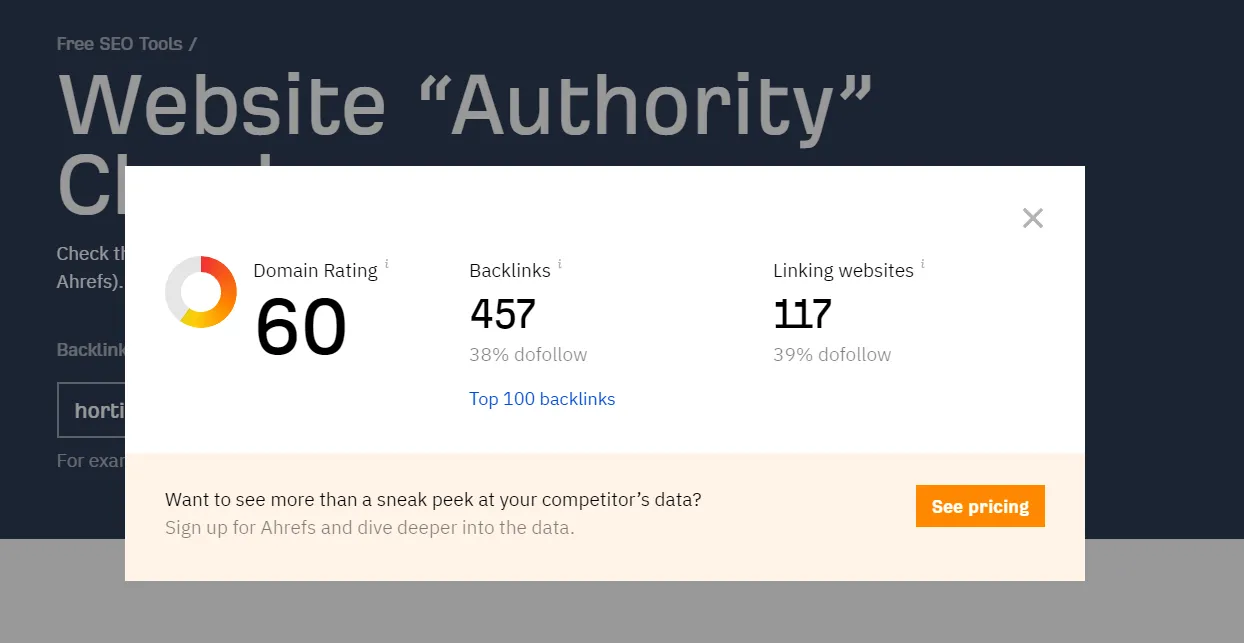
Track your Domain Rating progress to measure the impact of your link building strategies and backlink acquisition efforts.
Need Help Increasing Your Domain Rating?
Our team specializes in securing high-quality backlinks from DR 60–90 domains that deliver fast, sustainable DR improvements. We handle the entire process: research, outreach, content creation, and relationship building. When we confirm your DR boost via Ahrefs, you get a complete backlink report and ongoing monitoring.
Top 10 Link Building Strategies Comparison
Building Your Blueprint for Backlink Success
We've explored a comprehensive arsenal of ten of the best link building strategies available to marketers, founders, and SEO specialists today. From the content-centric power of the Skyscraper Technique to the surgical precision of Broken Link Building, each tactic offers a unique pathway to enhancing your website's authority, driving referral traffic, and climbing the SERPs.
However, the real secret to backlink success isn't just knowing these strategies; it's understanding how to weave them into a cohesive, sustainable, and adaptable blueprint tailored to your specific goals and resources.
From Theory to Action: Key Takeaways
The most common mistake in link building is inconsistency. A one-time effort might yield a few links, but lasting authority is built through a persistent, strategic campaign. Remember these core principles as you move forward:
- Diversification is Your Best Defense: Over-relying on a single tactic, like guest posting, creates a fragile backlink profile. A healthy mix of strategies, such as combining Digital PR for high-authority links with ongoing community engagement for niche relevance, creates a more resilient and natural-looking profile that search engines reward.
- Value Is the Universal Currency: Every successful strategy we've discussed hinges on a central theme: providing undeniable value. Whether it's an insightful guest post, a helpful resource for a broken link, or a stunning infographic, your outreach is exponentially more effective when you offer something the other person genuinely wants.
- Prioritization Prevents Burnout: You cannot execute all ten strategies at once, especially with a small team. Analyze your current position. Are you a new startup? Testimonials and unlinked brand mentions might offer the quickest wins. Are you an established brand with data? Digital PR and original research will likely deliver the highest ROI.
Your Actionable Next Steps
Translating this knowledge into results requires immediate, focused action. Don't let this list become just another piece of "shelf-help." Follow this simple plan to get started this week:
- Conduct a Quick Audit: Choose one top competitor and use an SEO tool to analyze their backlink profile. Where are their best links coming from? This reverse-engineering process is the fastest way to identify a viable strategy for your own niche.
- Select Your "Big Two": Based on your audit and internal resources, pick two strategies to master first. A great starting combination is one proactive strategy (like Guest Posting) and one reactive one (like Unlinked Brand Mentions). This balances effort and opportunity.
- Create a "Low-Hanging Fruit" List: Open a simple spreadsheet. List five resource pages you could be featured on, three websites you could offer a testimonial to, or five unlinked mentions you can find with a quick Google search. This creates an instant to-do list that builds momentum.
- Set Realistic KPIs: Don't just aim for "more links." Set specific, measurable goals. For example: "Secure 3 guest post placements in the next 60 days" or "Convert 5 unlinked mentions into links this month." This turns a vague objective into a clear mission.
Ultimately, mastering the best link building strategies is about more than just SEO; it's about building relationships, establishing your brand as a definitive authority, and creating a digital footprint that drives sustainable growth. The tactics outlined in this article are your tools, but your strategic approach is the blueprint. Start building today, measure your progress tomorrow, and adapt continuously. Your brand's long-term digital authority depends on it.
10 Best Link Building Strategies FAQ
What are the best link building strategies for 2025?
The best link building strategies for 2025 include the Skyscraper Technique, guest posting, broken link building, resource page link building, digital PR, unlinked brand mentions, infographic distribution, competitor backlink analysis, community engagement, and testimonials/case studies. Focus on providing value and building relationships rather than just acquiring links.
How do I start building backlinks?
Start by conducting a competitor backlink analysis to identify proven opportunities in your niche. Then select 2-3 strategies that match your resources—combine a proactive strategy (like guest posting) with a reactive one (like unlinked brand mentions). Create a prioritized list of targets and begin systematic outreach. Focus on quality over quantity.
Which link building strategy has the highest ROI?
The highest ROI strategies depend on your situation. For established brands, unlinked brand mentions offer quick wins with minimal effort. For companies with data, digital PR can generate high-authority editorial links. Broken link building often has high acceptance rates. Guest posting provides multiple benefits (links, traffic, authority). Choose based on your resources and goals.
How long does it take to see results from link building?
Results vary by strategy: unlinked mentions can convert in days, guest posts take 1-4 weeks, broken link building takes 2-6 weeks, while digital PR campaigns can take 2-3 months. SEO impact typically appears 3-6 months after earning quality backlinks. Consistent effort over 6-12 months builds sustainable authority.
Do I need expensive tools for link building?
While premium tools like Ahrefs and SEMrush are valuable, you can start with free alternatives. Use Google Search Console for backlink data, Google Alerts for brand mentions, free broken link checkers, and manual research. As you scale, invest in tools that save time and provide better data. Many strategies work without expensive tools.
How many backlinks should I aim for per month?
Quality matters more than quantity. Aim for 5-10 high-quality backlinks per month from relevant, authoritative sites (DR 50+) rather than dozens of low-quality links. Focus on sustainable growth—consistent monthly progress is better than spikes. Track link quality, domain authority, and referral traffic, not just raw numbers.